The aviation sector made the best of the slowdown during the epidemic to concentrate on setting interim emissions targets in addition to the long-term aspirational goals of net-zero targets. Since they mainly rely on technology that are not yet widely available, there are generally some questions as to whether or not they can be managed.
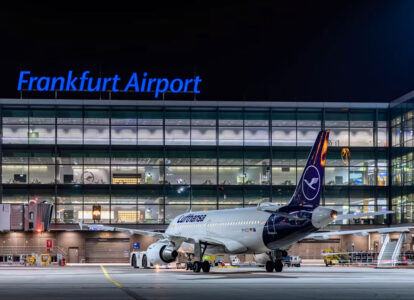
Airports, on the other hand, are somewhat better at managing energy transitions than aircraft, which run on fossil-based Jet A fuel. Moreover, Frankfurt Airport (FRAowners )’s are optimistic that they can get the emissions reduction process along more quickly than originally anticipated.
According to earlier estimations, the owner of Frankfurt Airport, Fraport, aimed to reduce carbon emissions at FRA to 75,000 tonnes by 2030. At the end of the decade, the reevaluated target states that there should only be a maximum of 50,000 tonnes of CO2 “in regions that fall under Fraport’s direct authority.”
Fraport’s CEO, Dr. Stefan Schulte, commented on the new target,
“Aviation needs to make a significant contribution towards protecting our planet’s climate. And we need to act faster than in years gone by. That’s our responsibility. For this reason, we’ve once again revised our masterplan for climate action, intensifying our measures wherever possible.”
Energy transition will be the most crucial part of the work to reduce emissions at FRA. The majority of the electricity utilized at the airport starting in 2026 will come from renewable sources. According to a deal with the German energy company EnBW, about 85% of the power will come from North Sea wind.
Another “substantial part” will come from a solar panel park. The Indira Gandhi Airport in Delhi, which Fraport owns 10% of, will switch to entirely sustainable energy from solar and hydropower starting in June 2022.
The airport operator will also implement smart, demand-driven technology for lighting and air conditioning across the building infrastructure. Hong Kong Airport installed the first AI predictive algorithms for climate management in late 2021, making it a first globally. The system utilizes machine learning and real-time data of passenger flows to keep the temperature in Terminal 1 between 24 and 25.5 degrees Celsius and will reduce CO2 emissions by about 1,900 tonnes per year.
Schulte commented on the need for localized approaches in different parts of the world,
“We see climate change as a central challenge for our international business. We need ideas and approaches that are tailored to each location while taking their natural environment into account.”