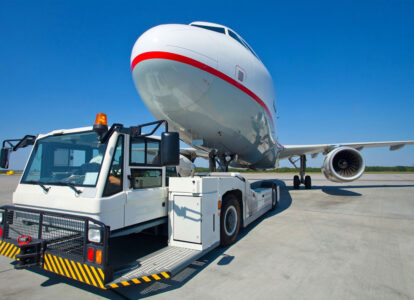
In response to a series of recent near-incidents and mishaps involving tug operations during aircraft movement, the FAA has introduced a fresh advisory circular concerning the use of towbars and towbarless methods for aircraft towing. This marks the first update since 2009, with the circular offering a comprehensive overview of recommended safety practices for operating such equipment.
The FAA highlights a specific concern about nighttime operations, citing feedback from air traffic control (ATC) experts who have found it challenging to identify unpowered aircraft being towed by a super tug in low-light conditions. The lack of proper illumination on the towed aircraft makes it difficult for ATC to discern their presence. Consequently, the FAA emphasizes that any aircraft movement in or near nighttime flight operation zones at airports should only occur if the aircraft or the area is adequately illuminated.
According to the circular, individuals certified for towing operations at airports must submit comprehensive documentation detailing their towing protocols to the relevant FAA Flight Standards District Office or Certificate Management Office, as well as to airport management for review and approval. This documentation must cover essential aspects such as safety protocols, operational procedures (including distinctions between day and night operations), initial and recurrent training procedures, radio communication practices, and a comprehensive towing procedures checklist.
Additionally, the advisory circular offers a variety of sample checklists that certificate holders can tailor to suit their specific operational requirements.